
Ranchi Cancer Hospital and Research Centre (RCHRC), a unit of Tata Cancer Care Foundation, organized an Oral Cancer Awareness Talk at Ranchi Press Club on May 29, 2026, ahead of World No Tobacco Day 2026.
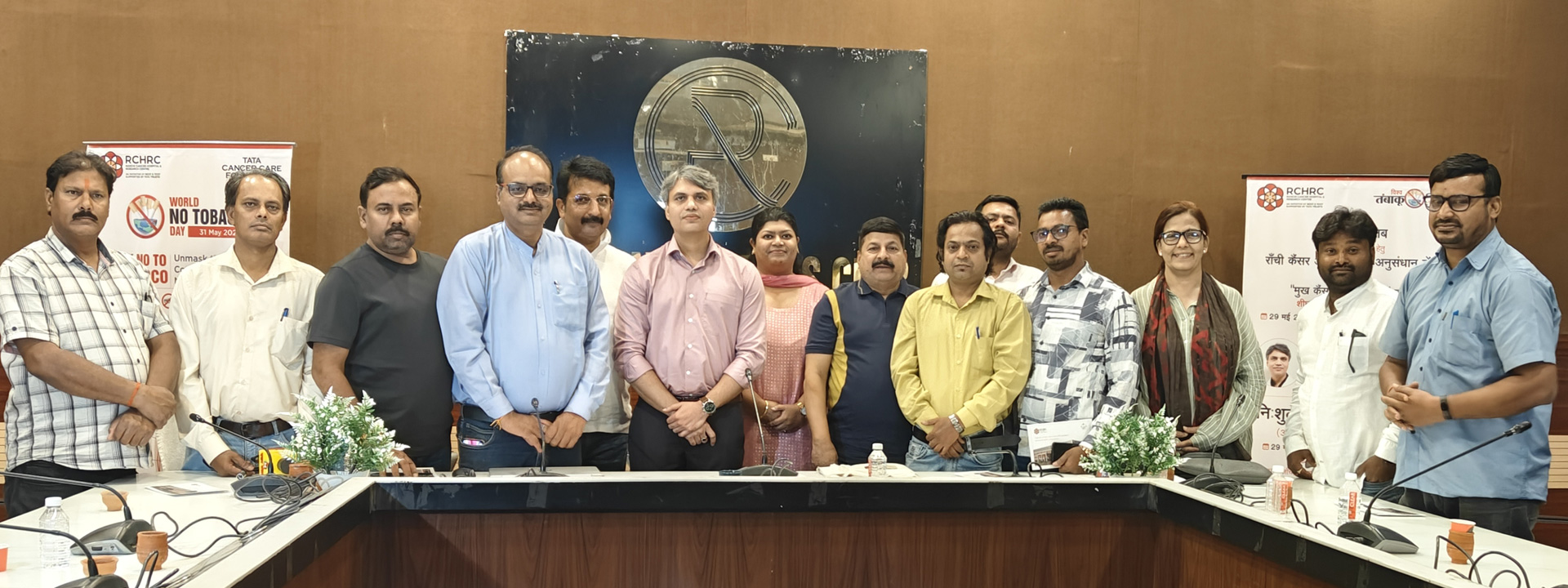
On May 29, 2026, ahead of World No Tobacco Day 2026, Ranchi Cancer Hospital and Research Centre (RCHRC), a unit of Tata Cancer Care Foundation, organized an Oral Cancer Awareness Talk at Ranchi Press Club. The programme was aligned with this year's World No Tobacco Day theme, "Unmasking the Appeal," which highlights the tactics used by the tobacco industry to make harmful products appear attractive, particularly to young people. Around 40 members of Ranchi Press Club and their family members attended the event.
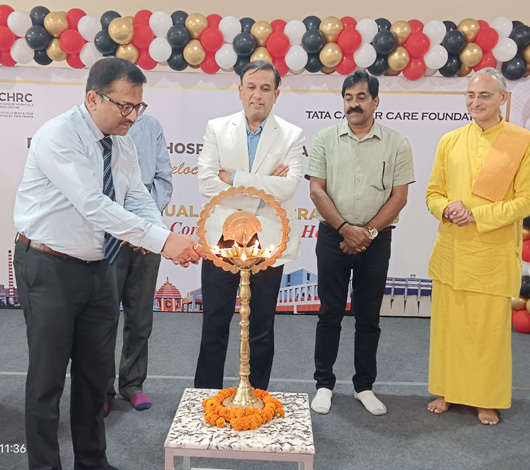
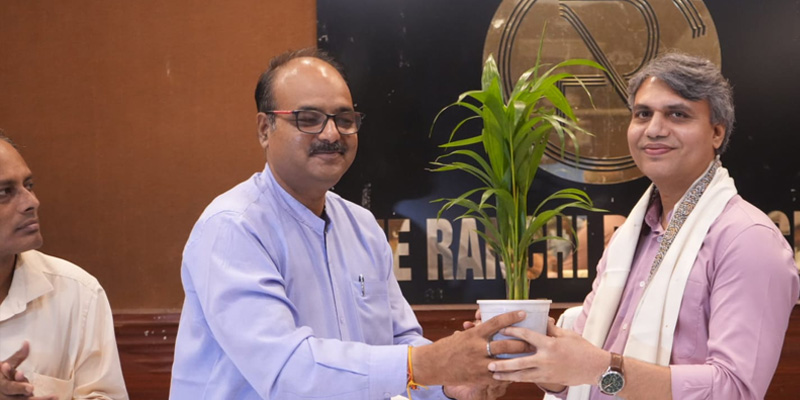
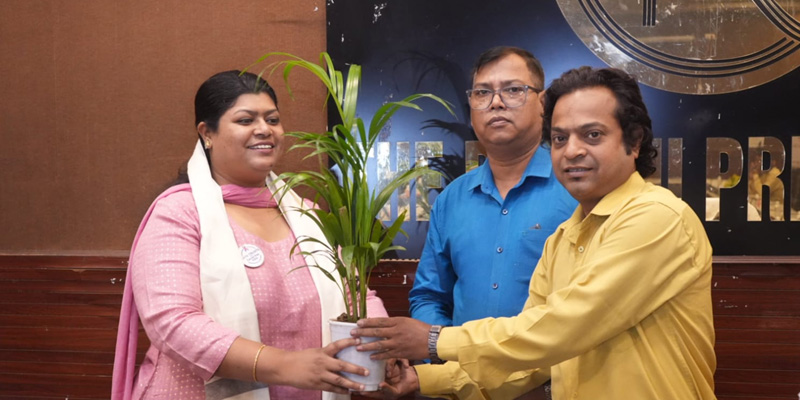
The programme was inaugurated by Ranchi Press Club President Mr. Shambhu Nath Choudhary, while Executive Committee Member Mr. Saurabh Shukla conducted the proceedings. The vote of thanks was delivered by Joint Secretary Mr. Chandan Bhattacharya.
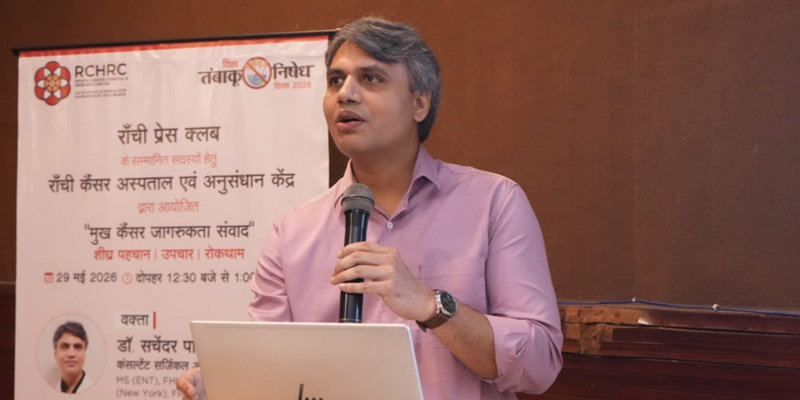
Addressing the gathering, Dr. Sachender Pal Singh, Consultant Surgical Oncology (Head & Neck), RCHRC, emphasized the urgent need to quit tobacco without delay. "Do not wait for a future date to quit tobacco. Make the decision today. No amount and no form of tobacco is safe," he said.
Dr. Singh highlighted that India bears one of the highest burdens of oral cancer globally, largely due to the widespread consumption of tobacco products such as khaini, gutkha, zarda, and other smokeless tobacco products. He noted that tobacco use remains prevalent across the country and is increasingly affecting adolescents and young adults.
Referring to a survey conducted among school students in Ranchi, Dr. Singh stated that nearly 8% of students had used tobacco in some form, with most initiating the habit between the ages of 10 and 15 years. He stressed that oral cancer does not develop overnight; in many cases, it is the result of tobacco habits acquired during adolescence and continued over several years.
He further explained that tobacco contains numerous carcinogenic chemicals that continuously damage cells and DNA, significantly increasing the risk of cancer over time. The combined use of tobacco and alcohol, he added, substantially elevates the risk of cancers of the oral cavity, throat, and oesophagus, with studies showing the risk to be up to 15–30 times higher than that of non-users.
Speaking on the importance of early diagnosis, Dr. Singh said that oral cancer detected at an early stage is generally easier to treat, less debilitating, and associated with better outcomes. However, due to a lack of awareness, many patients seek medical attention only in advanced stages of the disease. Such cases may require complex surgeries involving removal of portions of the jaw or tongue, followed by advanced reconstructive procedures. He noted that RCHRC offers comprehensive head and neck cancer treatment, including advanced surgical and reconstructive services.
Dr. Singh urged individuals not to ignore warning signs such as mouth ulcers that do not heal within two weeks, white or red patches inside the mouth, restricted mouth opening, difficulty swallowing, changes in voice, or lumps in the neck, and to seek timely medical consultation.
He also highlighted the health benefits of tobacco cessation, noting that positive changes begin within just 20 minutes of quitting, while the risks of heart disease, lung disease, and cancer continue to decline over time. Concluding his address, Dr. Singh remarked, "The best time to quit tobacco was years ago; the second-best time is today."
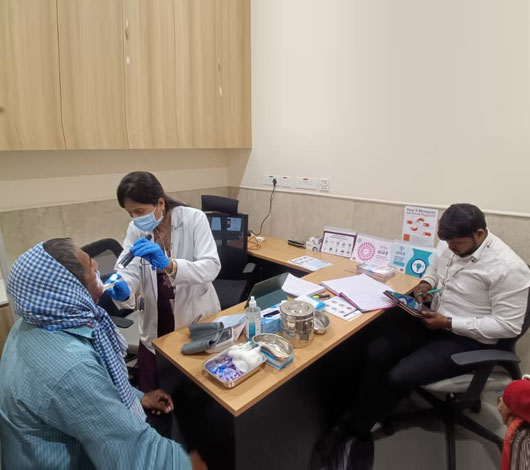
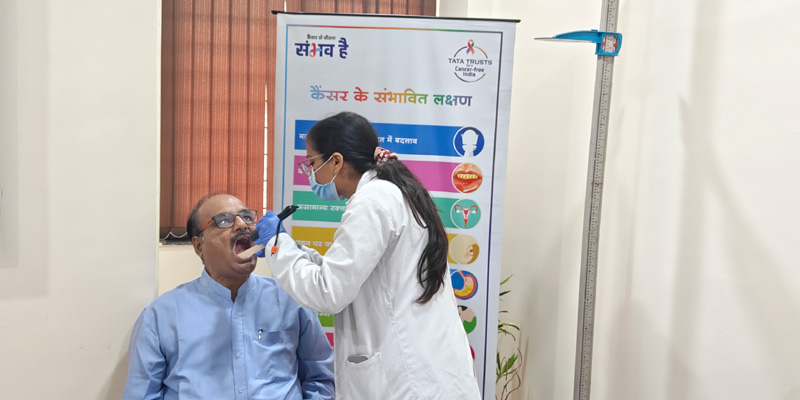
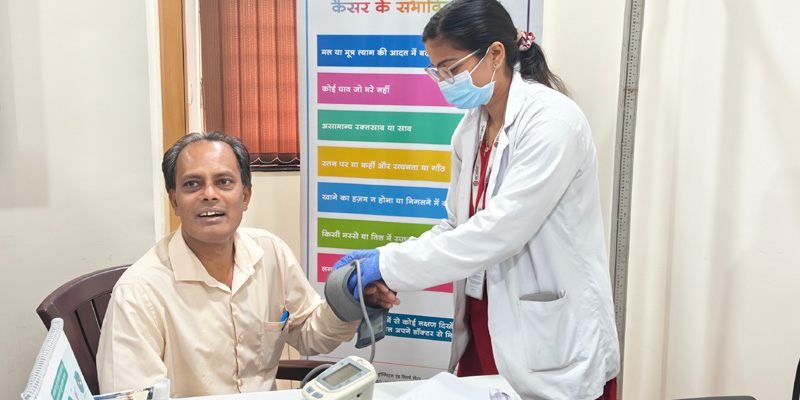
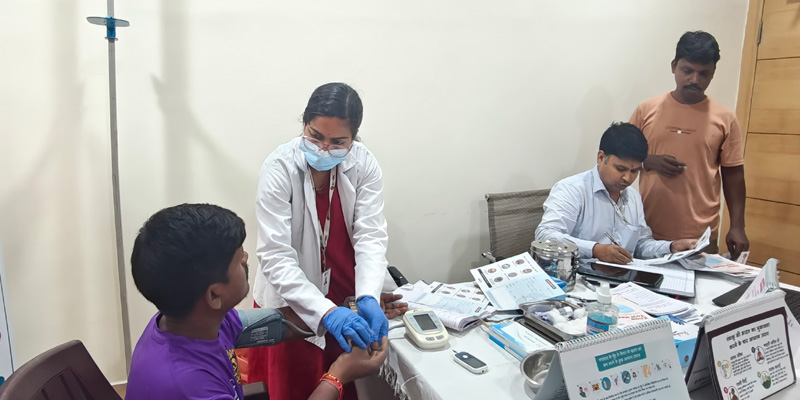
Alongside the awareness session, RCHRC organized a free health check-up and screening camp for oral, cervical, and breast cancers. A total of 34 individuals underwent screening during the camp.
Towards the end of the programme, Ms. Priyadarshini Mathew from RCHRC highlighted the importance of recognizing early warning signs associated with common cancers and encouraged individuals to seek timely consultation with specialists whenever symptoms persist or appear unusual. She also briefed the audience about the comprehensive cancer care services and world-class facilities available at Ranchi Cancer Hospital and Research Centre. Emphasizing the importance of prevention and early detection, she urged everyone to quit tobacco and undergo regular cancer screening, noting that early diagnosis significantly improves treatment outcomes and quality of life.
The programme concluded successfully, reaffirming RCHRC's and Tata Cancer Care Foundation's commitment to advancing cancer awareness, prevention, and early detection in the community.

We have updated our policy. By continuing to browse this website, you agree to our privacy policy and the use of cookies on the website.